

vanity table with led mirror
How to Effectively Turn Off a Water Valve A Comprehensive Guide Water is an essential resource in our daily lives, but situations may arise when it is necessary to turn off the water supply to prevent leaks, undertake repairs, or manage emergencies. Understanding how to turn off your water valve is critical, and this guide will provide comprehensive steps to do so effectively. Understanding Water Valves Before diving into the methods for turning off a water valve, it's important to understand the different types of valves you may encounter in your home. The two primary types are 1. Main Water Valve This valve controls the entire water supply to your home. It is typically located close to where the water line enters your house, often found in the basement or the crawlspace. 2. Individual Fixture Valves These valves are located near specific fixtures, such as sinks, toilets, and washing machines. They allow you to turn off the water supply to a specific area without affecting the rest of the house. When to Turn Off the Water Valve There are several scenarios in which you would need to turn off your water supply. These include - Preventing Flooding If you discover a significant leak, turning off the main valve can help minimize water damage. - Performing Repairs Whether you’re fixing a leaky faucet or replacing a toilet, shutting off the water supply is a crucial safety step. - Winterization In colder months, turning off the valve can prevent pipes from freezing and bursting. turn off water valve Steps to Turn Off the Water Valve 1. Locate the Valve - If you need to turn off the main water valve, look for a round or oval-shaped handle near the point where the water enters your home. The valve may be made of brass, PVC, or steel. - For individual fixture valves, they are usually found directly behind or underneath the fixture. 2. Prepare the Area - Before turning off any valve, clear the area around it. Make sure you have enough space to work, and keep a towel nearby in case of spills. 3. Turn Off the Valve - For a gate valve (which has a round handle), turn the handle clockwise until it stops. This is the traditional way of closing a water valve. - For a ball valve (which has a lever), turn the lever 90 degrees so it is perpendicular to the pipe. This should effectively shut off the water supply. 4. Check for Water Flow - After turning off the valve, turn on a tap at the highest point in your home, such as a bathroom sink. Let it run until it’s clear of water. Then, check a tap at the lowest point, like a basement sink. This process ensures all water pressure is relieved from the pipes. 5. Perform Your Task - Whether you are making repairs, checking for leaks, or winterizing, carry out your task confidently knowing the water is turned off. 6. Turning the Water Back On - Once your work is complete, you can restore the water supply by reversing the steps. Turn the valve counterclockwise for a gate valve or bring the lever back to its original position on a ball valve. Again, check for any leaks after the water supply is restored. Conclusion Knowing how to turn off a water valve can save you from dealing with significant damage and costly repairs. Regular checks and maintenance of your valves can also ensure they function correctly when you need them most. Be sure to familiarize yourself with both your main and individual fixture valves; preparedness is key in managing the waterways of your home! Remember, timely action and proper techniques are essential to maintain the integrity of your plumbing system.
about
vanity table with led mirror
Understanding Open Water Valves Their Importance and Functionality In the vast world of plumbing and fluid management, valves play an essential role in controlling the flow and direction of liquids. Among these, the open water valve serves a particularly significant function, providing a mixture of simplicity and effectiveness in various applications. This article will explore what open water valves are, their components, functioning principles, and their applications. An open water valve, as the name suggests, is designed to allow water to flow freely when in the open position. These valves may take on different forms, including gate valves, ball valves, or butterfly valves, each with its unique mechanism but all serving the primary purpose of managing water flow. When the valve is opened, water flows through the pipeline, whereas when it is closed, it stops the flow, preventing any leaks or wastage. One of the critical components of an open water valve is its actuator, which can be manual or automatic. Manual valves require physical effort to turn, often employing a wheel or lever . In contrast, automated valves can be controlled remotely, providing enhanced convenience and efficiency, especially in larger systems where manual control would be impractical. open water valve The functionality of an open water valve is straightforward yet crucial. As water is forced through pipes due to pressure from sources such as pumps or gravity, the valve acts as a gatekeeper. When the valve is opened, the water can flow without obstruction, delivering it to where it is needed, whether that be agricultural fields, industrial processes, or municipal water supplies. Conversely, closing the valve can isolate parts of the system for maintenance or emergency responses, making it a vital tool in managing water resources effectively. Open water valves are widely used in various industries. In agriculture, they are critical for irrigation systems, facilitating the efficient delivery of water to crops, ensuring optimal growth and yield. In urban infrastructure, these valves manage the distribution of potable water and sewer systems, contributing to public health and sanitation. More recently, with the rising emphasis on smart technologies, open water valves are being integrated with IoT sensors, enabling real-time monitoring and automated control to respond to changing water demands or leak detection. Moreover, maintaining open water valves is essential for preventing failures that can lead to costly water loss or damage to infrastructure. Regular inspections, cleaning, and timely repairs can enhance their longevity and effectiveness, ensuring they perform as intended. In conclusion, open water valves are pivotal in managing the flow of water across multiple sectors. Their importance cannot be overlooked, as they support not only the practical aspects of water distribution and management but also the growing need for efficient and sustainable water usage in an ever-changing world. Understanding their design, function, and applications equips us to appreciate these vital components in our daily lives, emphasizing the need for proper maintenance and innovative advancements in valve technology.
-

High quality industrial productsagement

High quality industrial products
View Details -

Meet the diverse needs of customers

Meet the diverse needs of customers
View Details -

Strict quality control

Strict quality control
View Details -

Top raw materials

Top raw materials
View Details -

Trusted supplier

Trusted supplier
View Details
Our application


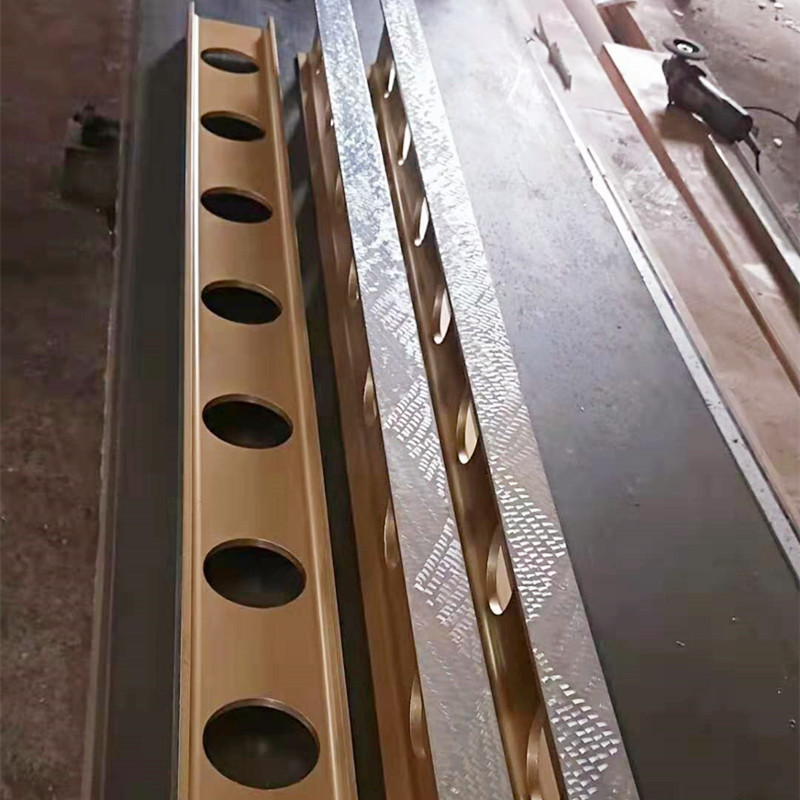

news and information
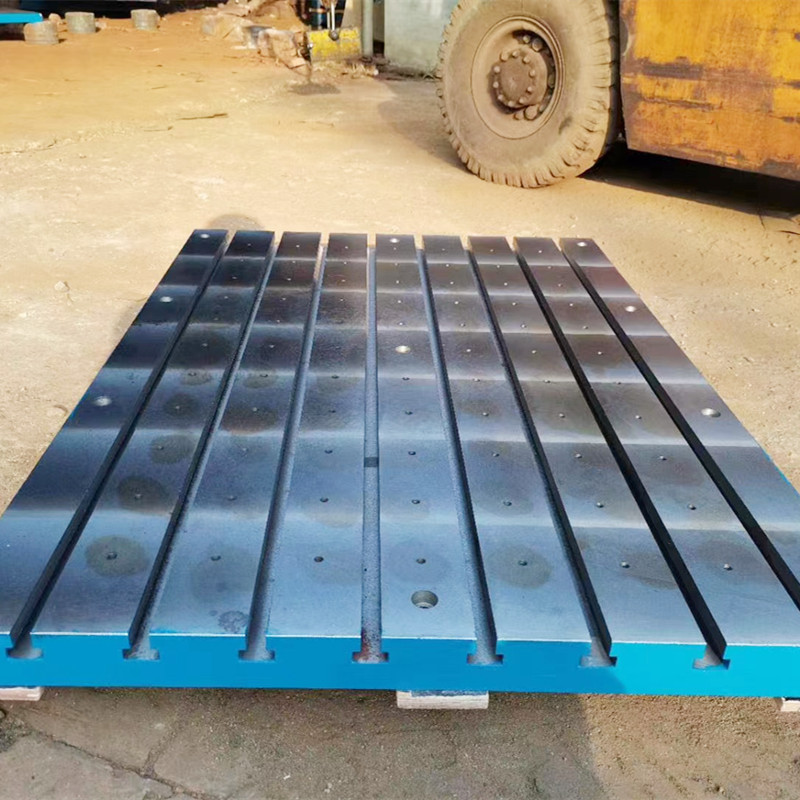
Water Pressure Regulation Using Check Valves for Efficient System Performance
Water Pressure Check Valves Importance, Functionality, and Maintenance Water pressure check valves a
Valvola di ritegno tipo disco
Controllo dei Valvole a Terra con Disc Type Il controllo dei valvole a disco è un aspetto fondamenta
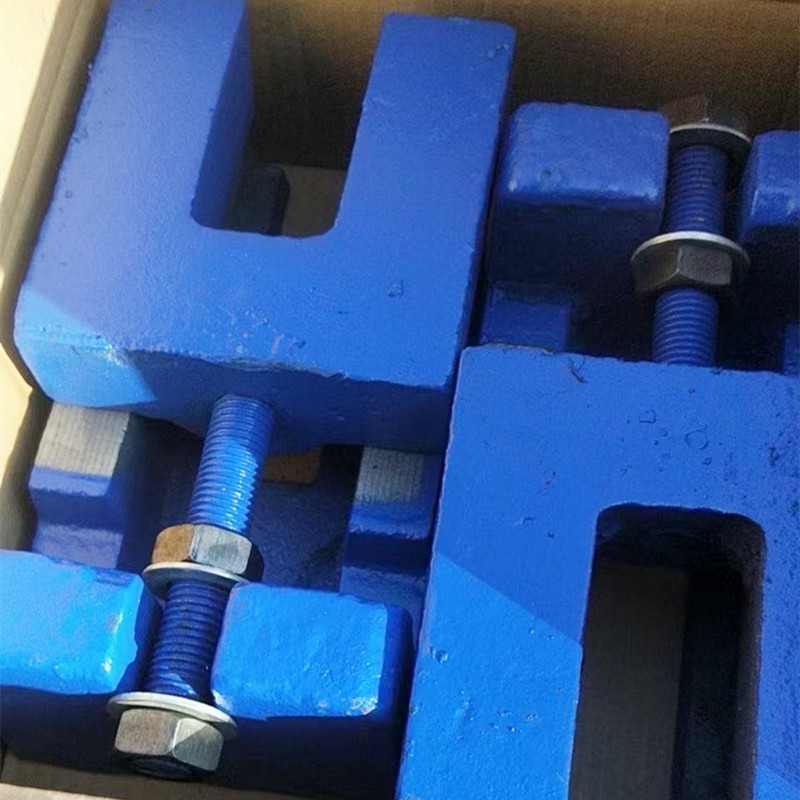
Válvula Strainer Tipo Y - Proteção Eficiente para Sistemas de Tubulação
Válvula de Strainer do Tipo Y Importância e Aplicações As válvulas de strainer, conhecidas também co
 English